
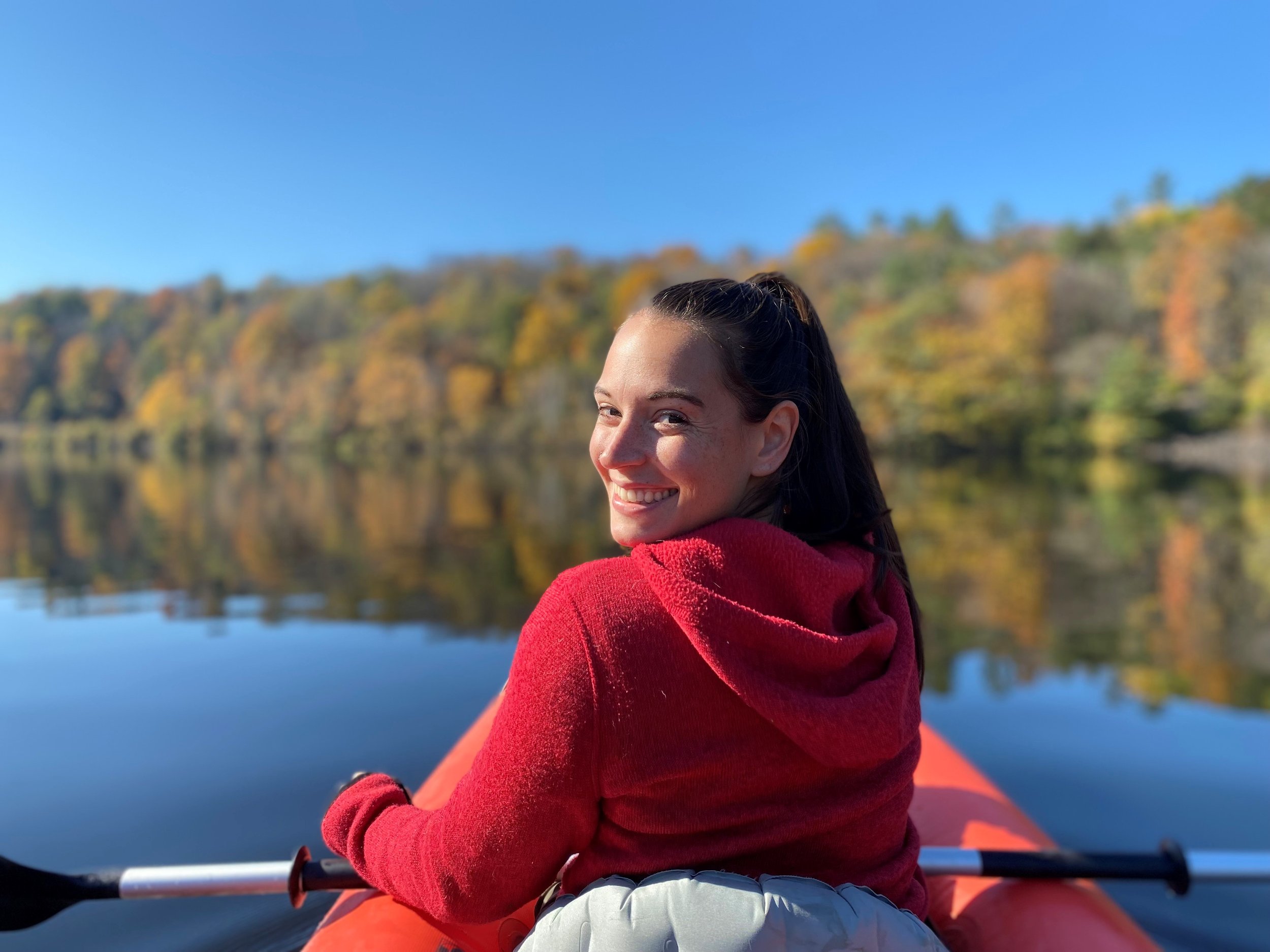
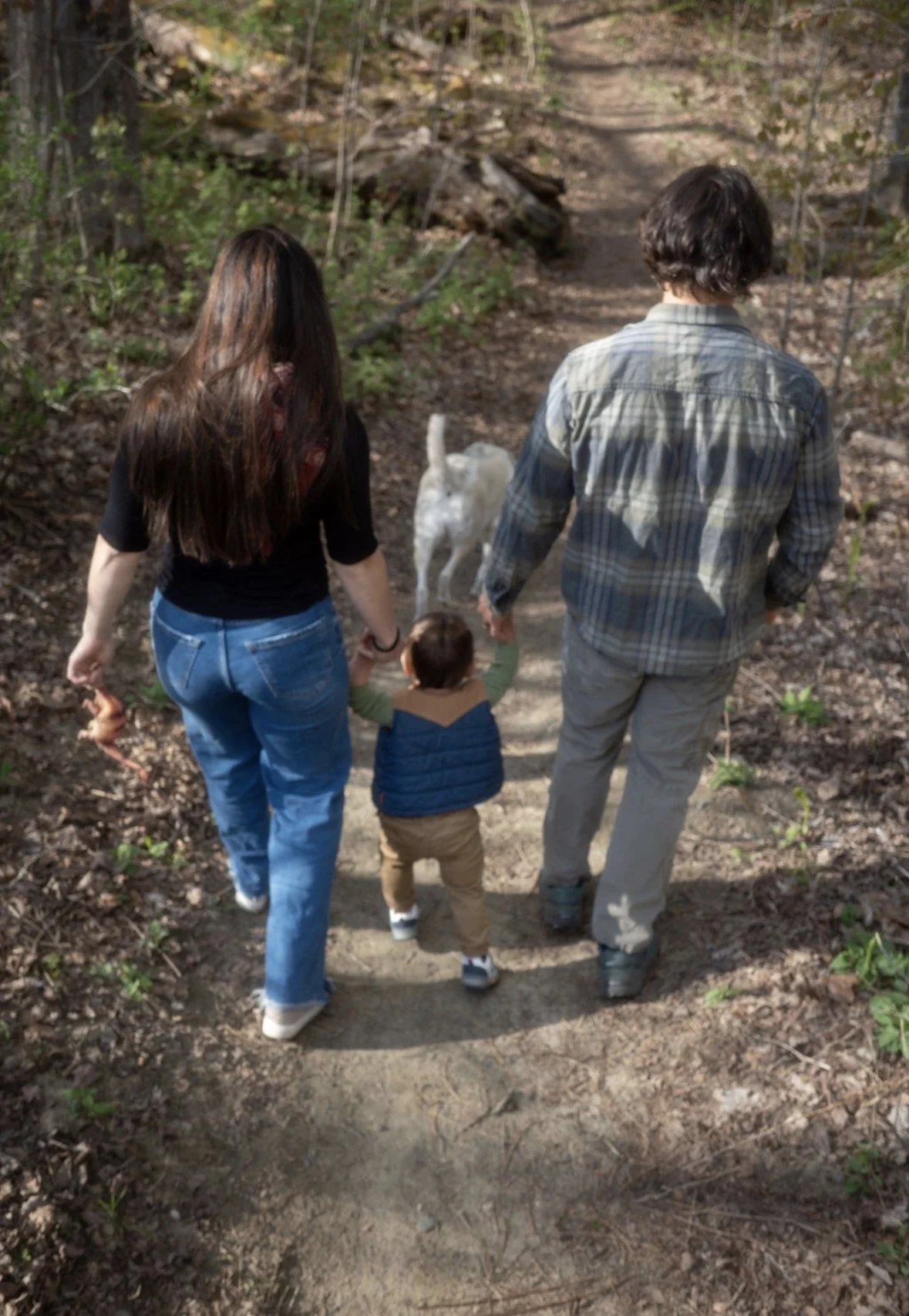
I come from a family of resilient Indigenous leaders who taught me the importance of honoring the lessons from elders that shaped our history, and the responsibility we carry to create an even better world for the generations to come. Growing up in Hartford also showed me what it looks like when a community truly shows up for one another—and shaped my belief that the best leaders aren’t the loudest voices in a room, they are the ones making sure every voice is heard.
I earned my Masters in Restorative Justice from Vermont Law School, and my BA in Sociology from University of California, Santa Cruz, focusing on international human rights and sustainable development.
Before moving into restorative justice education and training, I worked in nonprofit organizations in Vermont and New York City supporting individuals and families impacted by housing and food insecurity, mental health challenges, substance use disorder, and youth development. That work reinforced my understanding that systemic inequities are experienced as personal injustices—and that meaningful change requires both accountability and community care.
In addition to this work, I serve on the board for the Vermont Center for Ecostudies, and as a commissioner for the Vermont Commission on Native American Affairs.
My favorite days are spent outdoors in the sun, playing with my one year old, laughing with my husband, connecting with friends and family, and staying active in both body and mind.
© Nancy Maynard
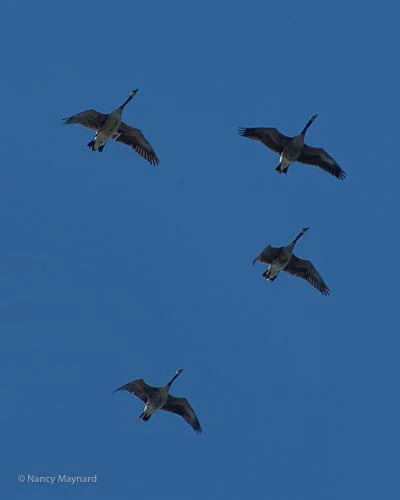
Leadership, to me, is about more than goals—it’s about the values and approach behind them. What truly drives change isn’t what we say, but how we show up and act—and whether we can empower others to act with us. Many of my favorite lessons come from the natural world, and one that has been particularly on my mind (thanks to my son who is fascinated by these honking creatures) is the way geese flying in formation demonstrate a powerful model of leadership.
Geese fly farther and more efficiently when taking turns leading and supporting one another along the way. The goose at the front bears greater resistance for each of the birds behind them. No single bird carries the burden the whole time—they rotate, honk to stay connected, and move as a group. It’s a simple but powerful reminder: we’re strongest when we share responsibility, the success of the group depends on every member being involved, and we only go as far as we can sustain going together.